

EN CLEMENGEOTS is a single-plot red wine from the eponymous locality. This plot, located in the town of COUCHEY, is part of the Champ-Salomon locality and its exact name spelling is 'En Clemongeot'.
The wines of the COUCHEY village are characterized by their aromatic finesse with more marked aromas reminiscent of raspberry and black cherry.
The place called En Clémengeots is part of one of the most famous Couchey's localities : the Champ-Salomon place.
The En Clémengeots plot is made up of soil dating from the Bajocian (-171 to -167 Ma) and composed of a layer of marl with Ostrea Acuminata about 15 meters thick which covers a base composed of crinoidal limestone.
Hidden under the thick marl layer present at the top of the plot, the crinoïdal limestone suddenly outcrops halfway up and down to the plot's bottom due to a fault which led, during the Oligocene (-34 to -23 Ma) tectonic movements, to its fracturing and its emergence on the surface.
If the marls with Ostrea Acuminata were deposited in a calm marine environment such as an oyster mudflat, the crinoidal limestone were formed before the marly layer by an accumulation of skeletal fragments (crinoids) in a shallow but rough sea. Its brown to orange color indicates an abundant presence of iron oxides.
The Aligoté vines were planted on the La Charme Aux Prêtres place in 1949, at an altitude between 280 to 320 m. Oriented south / southwest, the plots offer a marl soil with Ostrea Acuminata dating from the Bajocian (-171 to -167 Ma), a geological period of the Middle Jurassic. These marls are about 15 meters thick and were deposited in a calm marine environment, such as oyster mud flats, which explains the presence of the Ostrea Acuminata, some small fossilized oysters.
These soils rich in marl tend to close the young wines that need to mature a few extra years in the cellar.
The estate has been working in accordance with the organic farming specifications since 2008 but it lost its certification in 2016 in order to save its crops. It will get it again with the 2020 vintage, which is why the 2017 and 2018 vintages do not carry the official Organic label.
After the harvest, the grapes are driven to the cellar where they are entirely destemmed, then carefully sorted before being vatted. The alcoholic fermentation starts spontaneously under the native yeasts action, it is followed by the malolactic fermentation.
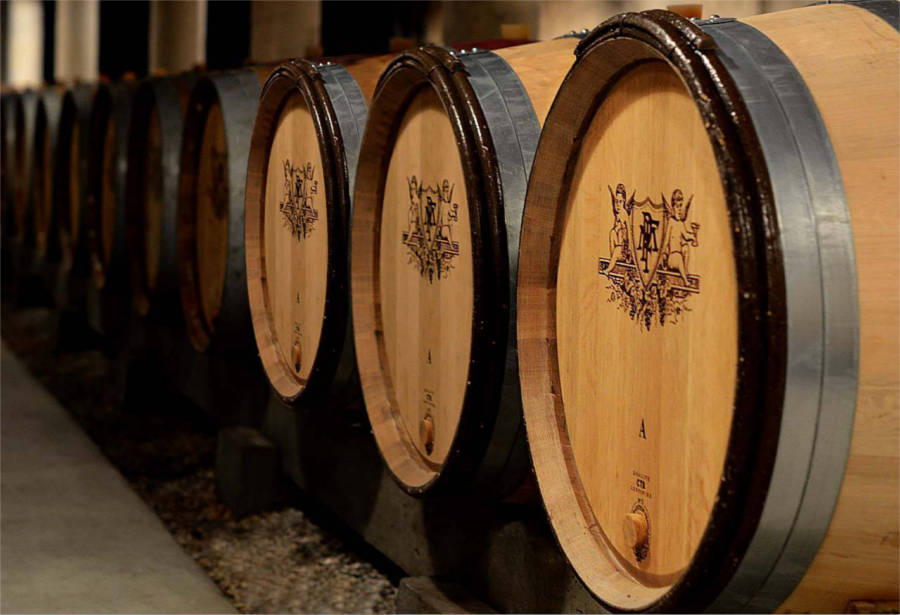
The must is then aged for 18 months in oak barrels, including 15% of new barrels. No SO2 is added during the vinification process.
At the end of the ageing phase, the must is drawn off without filtration or fining. It is then bottled with a light addition of SO2 to stabilize the wine.
| Country | Burgundy |
| Color | Red |
| Orange wines | No |
| Clay amphorae wines | No |
| Type | Dry |
| Vintage | 2018 |
| Capacity | 75 cl |
| Single Grape Variety | Pinot noir |
| Alcohol rate | 13 % |
| Quality Designation | Marsannay |
| Cellar Potential | 10 ans |
| Service advise | 16°C(61°F). Decant 1hr before the service. |
| Culture Methods | Non-certified Organic culture |
| Fining | No |
| Filtering | No |
| Comments | Total destemming ♦ Fermentation with native yeasts ♦ Ageing for 18 months in 350-liter oak barrels including 15% of new barrels ♦ No fining, no filtration ♦ Slight SO2 addition before bottling. |

Specialized in amphora wines, we offer you a selection of the best white, red and rosé wines vinified in amphorae.
You will find vintages:
- fermented and aged in clay amphorae
- fermented in traditional tanks and aged in clay amphorae
- partially aged in clay amphorae...
...not to mention the rare wines vinified entirely in Qvevris!

 English
  Français