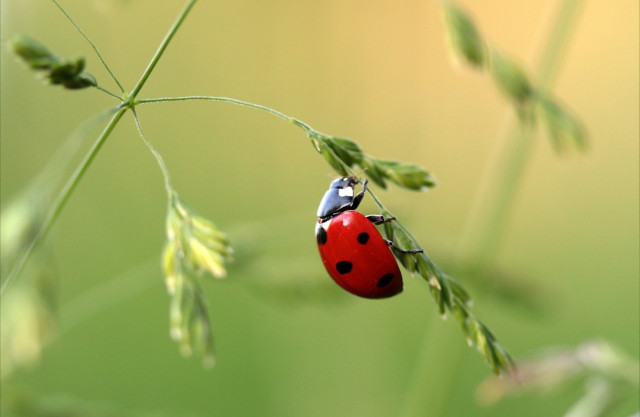


ORANGERIE is a confidential cuvée produced by the estate in very small quantities because it comes from a plot of only 50 ares. This parcel owes its name to an old Renaissance building adjoining the chateau where the plants and trees were kept in winter. Close to the Clos de Béru, it is surrounded by a wall and fruit trees (fig, apple, pear, etc.), which preserves it and encourages the maintenance of auxiliary insects that are essential for the flowers pollination.
This small parcel, located in the heart of an orchard, rests on a soil dating from the Kimmeridgian period (155 to 150 million years ago), a geological stage of the Upper Jurassic period during which the Burgundy region was covered by warm and shallow waters, favouring marl-limestone sedimentation characterised by alternating marls and marly limestones rich in small fossilised oysters, the Exogyra Virgula.
Highly sensitive to dissolution by rainwater, these calcareous marls enrich the soil with a thin layer of clays called 'decalcification clays'.
Very close to the nature surrounding her, Athénaïs de Béru pampers its certified organic vines by following the Biodynamic principles. Without phytosanitary treatments, the grape skin is particularly rich in yeasts and bacteria essential for the fermentations smooth running. To avoid excessive handling, the grapes are harvested manually and sorted directly in the vineyard.
At the winery, the grapes are immediately pressed by pneumatic pressing with a long and gentle cycle. The juice is then placed in vats for a cold static settling.
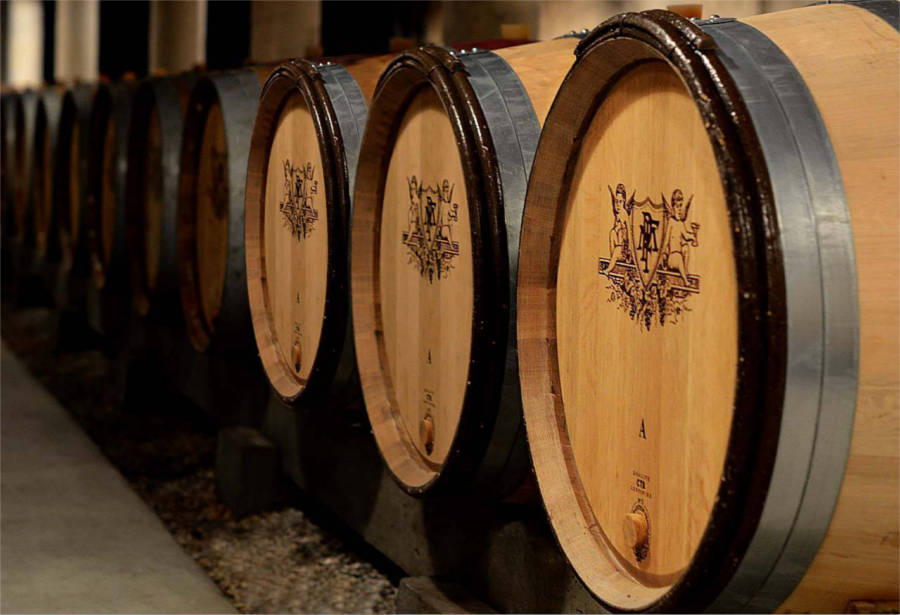
It is then placed in 350 liter Burgundy oak barrels for the alcoholic and malolactic fermentations. No oenological input is used, the alcoholic fermentation starts spontaneously under the action of the indigenous yeasts. The must then carries out its malolactic fermentation followed by an an lees ageing phase for 12 months in oak barrels and 6 extra months in stainless steel tanks.
The wine is neither fined nor filtered.

Specialized in amphora wines, we offer you a selection of the best white, red and rosé wines vinified in amphorae.
You will find vintages:
- fermented and aged in clay amphorae
- fermented in traditional tanks and aged in clay amphorae
- partially aged in clay amphorae...
...not to mention the rare wines vinified entirely in Qvevris!

 English
  Français