

The wines with the mention "Le Berceau" on the label come from plots located in the historic district of the Saint-Joseph designation recognized by the INAO in 1956.
The white LE BERCEAU wine is a 100% Marsanne wine, whose very old vines are more than 80 years old yet they still allow a good yield of around 40 hl / ha.
The locality of Saint-Joseph, where the plots of "Le Berceau" wines are located, consists of granite soil called the Granite de Tournon. This granite is said to be with 'biotite', meaning it contains black mica, and it formed in the Precambrian, 600 million years ago : of intrusive origin, it is made by a magma rise into the mantle.
This very hard soil, not very conducive to a good root penetration, is nevertheless perfectly suited to the vine, because of one of its properties : it becomes brittle over time. The rock is therefore extremely faulty, the granite having cracked under the action of rainwater which penetrates into the rock crevices, freezes in winter and causes the rock to burst. It is therefore through these cracks that the vine roots penetrate the rock to find water and nutrients.
The Marsanne variety likes particularly this type of terroir, it is a naturally low-acid grape variety which claims a terroir of high quality as the Granite de Tournon is, in order the wines to have sufficient energy and liveliness.
The vines are planted on terraces located on the steep hillsides of a place called Saint-Joseph. The very important slope of this place prevents any mechanization and all the care brought to the vineyard is consequently entirely manual, the harvests too.
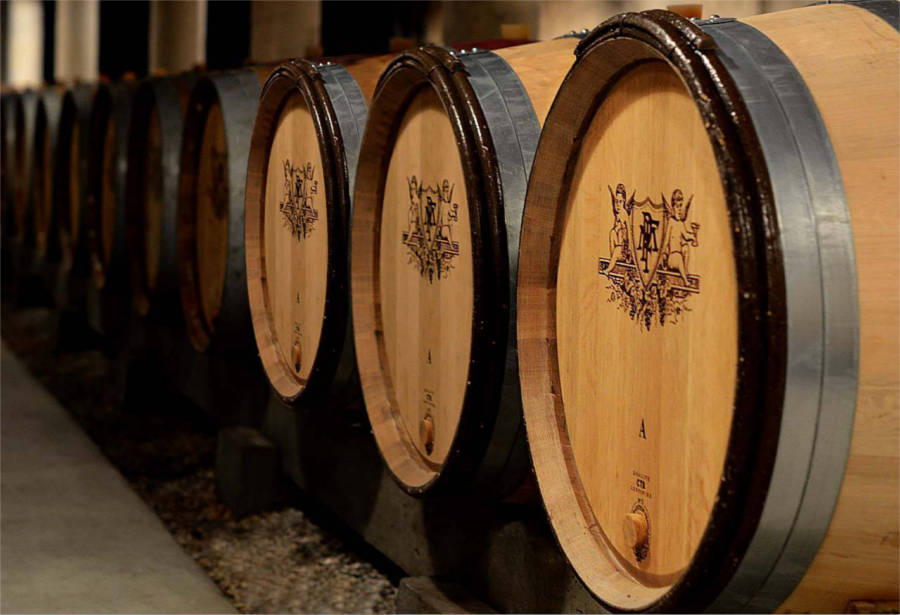
Once picked, the grapes are brought to the winery and then gently pressed by slow pressing. The harvested juice is settled for 24 hours then it is transferred to 228 liter oak barrels for alcoholic fermentation. When the latter is finished, the must continues its malolactic fermentation and then matures on fine lees for almost a year.
The bottling is generally done in September of the year following the harvest one.


Specialized in amphora wines, we offer you a selection of the best white, red and rosé wines vinified in amphorae.
You will find vintages:
- fermented and aged in clay amphorae
- fermented in traditional tanks and aged in clay amphorae
- partially aged in clay amphorae...
...not to mention the rare wines vinified entirely in Qvevris!

 English
  Français